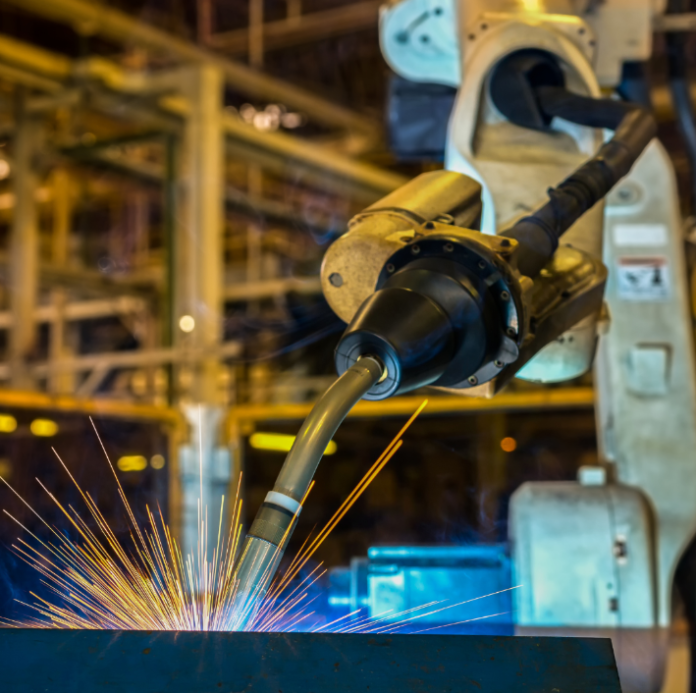


Cutting thick steel and shaping complex parts has always required trade-offs between speed and strength. Plasma arcs slice quickly but struggle on very heavy material, while oxyfuel flames handle thick plate with ease but take longer. A new generation of CNC plasma cutter systems in Alabama blends the two processes, giving contractors the flexibility to get the best of both worlds in a single setup.
Dual Process Cutting Solutions Optimizing Both Plasma and Oxyfuel Performance
A combined cutting solution allows a plasma torch and an oxyfuel torch to work on the same machine. This setup provides the freedom to use plasma arcs for thinner metals and switch to oxyfuel flames when tackling thicker plate. An Alabama robotics engineering company that specializes in CNC machining understands that no two jobs are alike. By combining these processes, operators don’t need separate equipment, saving both floor space and investment cost.
The dual torch arrangement is particularly useful for industries where both fine detail and heavy plate cutting occur daily. For example, fabrication plants using Alabama CNC machining can process light gauge sheet metal in the morning and thick structural beams by afternoon without moving material between machines. This balance between speed and depth makes the CNC plasma cutter far more versatile than single-process systems.
Cnc Precision Ensuring Smooth Transitions Between Plasma Arcs and Fuel Flames
Transitioning between a plasma arc and an oxyfuel flame has to be seamless to avoid wasting material. Today’s systems use CNC machining controls that automate torch changeover, ensuring a smooth shift from one cut type to another. The operator programs the process into the control interface, and the system automatically adjusts the torch, gas flow, and power level.
This integration keeps the cut continuous, whether working on light sheet or thick plate. Shops relying on CNC machining in Alabama benefit because fewer manual adjustments are needed, reducing errors and downtime. The result is a plasma cutter system that can move from fast detail work to heavy-duty cuts without breaking workflow.
Heavy Plate Cutting Challenges Solved with Combined Torch Applications
Cutting very thick steel plate has always been a challenge for plasma alone. While plasma arcs cut fast, their depth has limits. Oxyfuel flames, however, thrive on heavy plate, capable of slicing through several inches of steel with precision. By combining the two, an Alabama robotics engineering company can design machines that handle both lightweight components and massive structures with equal confidence.
Fabricators working with shipbuilding, structural beams, or heavy machinery often need this combination. Plasma handles the intricate detailing, bolt holes, and smaller cutouts, while oxyfuel completes the long, deep cuts. The combined torch method keeps projects on schedule and reduces the need for outsourcing or secondary processes.
Efficiency Gains When Plasma Speed Is Paired with Oxyfuel Thickness Handling
Speed is the biggest advantage of plasma cutting. Thin to medium-gauge steel is processed quickly, keeping production lines efficient. But once thickness increases, plasma slows down significantly. Oxyfuel steps in here, offering consistent performance at high thickness. Pairing these together creates a workflow where material thickness no longer dictates production speed.
Alabama CNC machining providers use this pairing to maximize efficiency across varied jobs. A CNC plasma cutter equipped with both technologies means operators can cut mixed-thickness projects in one pass. This reduces handling time, minimizes delays, and boosts overall throughput.
Machine Control Features Supporting Two Cutting Technologies on One Platform
The true strength of dual-process cutting lies in the control system. Advanced CNC interfaces allow both torches to run on a single platform. Operators can assign tool paths for each torch and let the system handle sequencing. The machine’s intelligence ensures that torches don’t conflict with each other and that cut quality stays consistent.
This feature-rich control benefits an Alabama robotics engineering company developing automated solutions. Clients gain the ability to run complex projects with minimal oversight, confident that the system will switch between plasma and oxyfuel as programmed. Such platforms showcase how robotics and CNC machining in Alabama continue to evolve together.
Complex Part Profiles Shaped with Plasma Detail and Oxyfuel Strength Together
Many industries require parts that combine intricate shapes with heavy-duty durability. Plasma excels at detail, producing sharp edges and smooth curves. Oxyfuel complements this by powering through the thicker structural areas. Together, they create parts that meet exacting design needs while maintaining structural integrity.
For example, bridge components or heavy construction brackets often need precision holes cut alongside thick base plates. A CNC plasma cutter capable of dual-process operation makes this practical in one setup. Alabama CNC machining companies use this method to reduce rework and ensure each part comes off the machine ready for assembly.
CNC Programming Flexibility for Switching Between Plasma and Fuel Operations
Programming flexibility is vital for operators handling diverse workloads. Dual-process CNC systems allow users to define which torch cuts specific features. The software then generates tool paths for both torches, sequencing them efficiently. This reduces the need for manual intervention and lets one machine handle tasks that would otherwise require two.
For Alabama robotics engineering companies, this flexibility translates into better client outcomes. Shops can take on contracts requiring both fine work and thick cuts without sending jobs elsewhere. It also helps operators adapt quickly to custom orders, making Alabama CNC machining services more competitive.
Reduced Downtime with Automated Torch Height Adjustment for Dual Processes
Maintaining correct torch height is essential for both plasma and oxyfuel. Automated height adjustment systems eliminate downtime caused by manual resets. The machine senses material thickness and automatically positions each torch for optimal performance. This ensures consistent cut quality and extends consumable life.
By integrating height control automation, a CNC plasma cutter becomes even more reliable. Alabama CNC machining operations reduce wasted time on adjustments and improve productivity across the board. For a robotics engineering company in Alabama, offering these automated solutions means their clients spend less time calibrating equipment and more time producing accurate, finished parts.