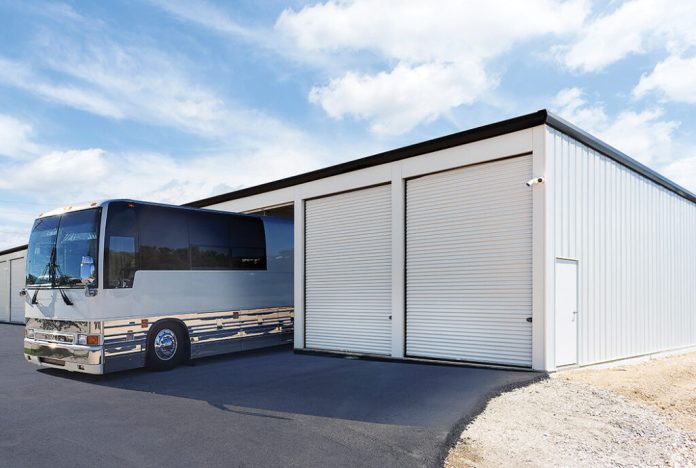


Backing a large RV into a tight space can turn into a test of patience and precision. For vehicle owners who invest in proper storage, drive aisle width often determines whether that process feels simple or stressful. The best RV storage units are built with accessibility in mind, using wide driveways, turning lanes, and generous clearances that protect both the vehicle and the driver’s peace of mind.
Drive Aisle Dimensions That Safeguard Big RV Entry
The width of drive aisles in RV storage units plays a major role in how smoothly large vehicles can enter and park. High-end facilities often design aisles between 40 and 60 feet wide, allowing full-size motorhomes to swing into position without scraping corners or blocking other users. These extra feet might not seem like much, but they create the necessary space for wide turning radii and multi-axle backing maneuvers. This same need for careful planning applies to vehicle relocation as well, where services like https://www.shiply.com/us/car-
help ensure cars are transported safely without unnecessary risk or tight handling conditions.
Facilities that prioritize safe entry understand how visibility and motion space affect driver confidence. Wider aisles reduce the chance of collision during turns and make it easier to align with covered or enclosed storage spots. For anyone searching “storage units near me,” the aisle width can make the difference between quick access and a nerve-wracking parking challenge.
Tight Turns Demand Generous Driveway Geometry
Driveway geometry determines how well a storage facility accommodates large rigs. RV storage units with narrow or sharp-angled turns make maneuvering difficult, particularly for Class A motorhomes or fifth-wheel trailers that require a wider arc to pivot safely. Poor geometry can also create traffic bottlenecks when multiple RVs enter or exit simultaneously.
Designers of premium storage properties plan for these challenges by incorporating wide drive aisles that curve gently and provide clear sightlines at intersections. This thoughtful layout helps long vehicles move smoothly through the property without repeated corrections or near misses. A well-engineered driveway layout ultimately safeguards both the driver and the facility’s infrastructure.
How Extra Width Prevents Overhang Collisions
Overhang clearance matters as much as ground width in RV storage units. Many motorhomes have extended rear bumpers or roof-mounted accessories that require ample buffer space to avoid scraping walls, posts, or adjacent vehicles. Driveways that lack width and depth leave no room for these extensions, increasing the risk of accidental contact.
By designing aisles with added width, facilities minimize the chance of side or rear-end collisions while reversing or turning. This is particularly useful in enclosed RV bays, where protective structures must align with large vehicle dimensions. Wider lanes not only simplify movement but also protect paint, mirrors, and roof equipment from costly damage.
Can Angled Bays Reduce Driveway Requirements
Angled parking bays can ease the need for extremely wide aisles by allowing RVs to enter at a more natural angle. Instead of backing straight into a narrow slot, drivers follow a gradual diagonal path that requires less turning radius. Facilities that include 45- or 60-degree parking bays help users park more efficiently without expanding every driveway.
That said, angled bays still require careful spacing to prevent obstruction between vehicles. The best RV storage units strike a balance—combining angled parking with moderate aisle width—to maintain smooth entry and exit flow. This hybrid approach is especially effective in urban settings where land area is limited.
Entry Lanes Built for Oversized Motor Coaches
Entry design is another often-overlooked aspect of RV-friendly facilities. A storage lot’s entrance must accommodate wide vehicles towing trailers or boats without forcing sharp turns from the main road. Modern RV storage units often feature dual-lane entry systems, allowing vehicles to enter and exit without delay or risk of collision.
Smooth pavement transitions, wide curbs, and reinforced entry points protect both tires and suspension systems. For anyone driving an oversized motor coach, these design details create immediate confidence that the facility was built with large-vehicle owners in mind. Choosing storage units near me that advertise “oversized access” is usually a reliable sign of a well-planned layout.
Will Narrow Access Ruin Your Parking Experience
Narrow lanes and limited turning space can turn a simple parking job into a costly repair risk. RV owners quickly learn that convenience and safety depend on space to maneuver without scraping mirrors or sides. Tight access routes increase driver stress, especially for less experienced owners managing long trailers or tow-behind campers.
Facilities that prioritize vehicle safety understand the frustration narrow designs cause. Properly measured drive aisles make backing easier and drastically reduce the chances of misalignment. The right combination of space, lighting, and signage ensures that each visit feels efficient, even for large rigs.
Why Generous Clearances Matter for Large Rigs
Clearance is not limited to width—height also plays an essential role. Large RVs often exceed twelve feet in height, meaning awnings, beams, and overhangs must be placed with precision. RV storage units with high canopies and open ceilings prevent roof damage and maintain full accessibility for tall models.
Generous clearance zones also accommodate accessories like roof vents, solar panels, and satellite dishes. For long-term parking, these features are critical since they allow for easy movement during maintenance checks or seasonal adjustments. Ample clearance gives peace of mind that valuable RV components remain safe year-round.
Turning Radii and Drive Lanes That Serve Heavy Loads
Heavy RVs demand strong pavement and wide turning radii to prevent structural wear and tire damage. Well-designed storage properties use reinforced concrete and expanded drive lanes that can handle the weight of loaded motorhomes without cracking or rutting. These specifications extend the life of the surface and maintain safe traction for large vehicles.
Drivers also benefit from smoother circulation paths. Wider turns allow heavy rigs to complete loops through the property without backtracking or multi-point turns. In practice, these wide-lane layouts define what separates premium RV storage units from average ones—they combine smart engineering, generous spacing, and durability to make parking large vehicles stress-free